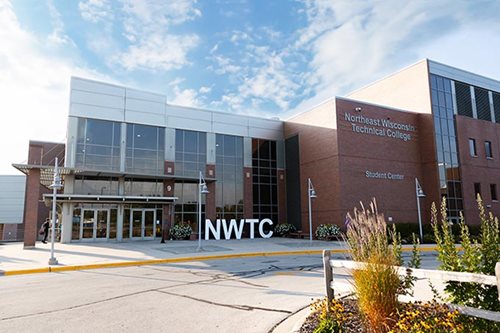
Your Guide to the NWTC Student Code of Conduct
Understanding your rights and responsibilities.
At NWTC, every student deserves a safe, respectful place to learn and grow. The Student Code of Conduct sets the expectations for how we treat each other and outlines what happens when those expectations are not met.
For complete details on definitions, procedures, timelines, and your full rights, the Student Code of Conduct handbook has everything you need.
See Something, Say Something
If you are concerned about a student's behavior, your report can make a difference. Whether it involves safety, disruption, or something that just does not feel right, we are here to listen and take action.
Include as much detail as you can: what happened, when and where it occurred, who was involved, and any witnesses you are aware of. Reports can be made anonymously, but please note that anonymous reports may limit what NWTC is able to do in response.
If you have questions before submitting, you can also reach out o a member of the CARE Team directly.
Note: If there is an immediate emergency or safety threat, call 911 or contact NWTC Security.
What Does the Student Code of Conduct Cover?
The Student Code of Conduct applies to student behavior in the following situations:
- On any NWTC campus or location
- Online or through NWTC systems
- At NWTC-sponsored events
- Off campus, when the behavior is connected to NWTC and may affect safety, access, or the learning environment
Your Rights and Responsibilities
You have the right to:
- Learn in a safe and respectful environment
- Express your ideas freely
- Be treated fairly
- Receive a fair process if you are accused of a violation
You are expected to:
- Act with integrity
- Follow NWTC policies and applicable laws
- Respect the learning environment
- Avoid behavior that disrupts college operations or affects the safety of others
Important: You are presumed not responsible unless and until a decision is made through the student conduct process.
Examples of Conduct Concerns
The following types of behavior may result in a conduct review. This is not a complete list — review the handbook for full definitions.
- Threats, violence, intimidation, or serious safety concerns
- Harassment, bullying, stalking, hazing, or interpersonal misconduct
- Theft, damage to property, or unauthorized access
- Misuse of NWTC technology or resources
- Alcohol, tobacco, or drug-related policy violations
- Failure to follow program standards or NWTC policies
- Failure to complete assigned conduct sanctions
- Academic or institutional integrity concerns
Note: Academic misconduct, including unauthorized use of AI, is covered separately on the Academic Integrity page .
What Happens After a Report?
After a report is received, CARE Team members review the information and decide on next steps. Depending on the concern, the matter may move into the formal Student Conduct process, be referred to another NWTC process, or be closed if there is not enough information to move forward.
If the formal process begins, you will receive written notice through your NWTC student email. You will have the opportunity to respond, share your perspective, identify witnesses, and ask questions.
If you are found responsible for a violation, possible outcomes include a formal warning, educational requirements, restitution, probation, suspension, or expulsion. Suspension and expulsion require additional approval from a Senior College Official before they are imposed.
Frequently Asked Questions
What should I do if I am accused of a conduct violation?
Check your NWTC student email right away and read the notice carefully. Follow the instructions provided. You will have a chance to respond, share your side of the story, identify witnesses, and ask questions about the process.
Can I bring someone with me to a conduct meeting?
Yes. You may bring a support person to any conduct meeting. Your support person may be present with you but generally may not speak on your behalf or participate directly, unless required by law or college procedure.
Do I have to participate in the conduct process?
You are not required to participate. However, NWTC may continue the process and reach a decision based on the information available. Choosing not to participate does not mean you are automatically found responsible.
Can I see the information being used in my case?
Yes. You may request to review the evidence the CARE Team is using. Some information may be withheld to protect the privacy, safety, or legal rights of others involved.
What if I disagree with the outcome?
You may submit a written appeal within five business days of receiving your decision letter. Appeals are reviewed on limited grounds: a procedural error, new evidence that could change the outcome, or a conflict of interest or bias. Appeal decisions are typically issued within ten business days.
Is there an option to resolve things without a formal conduct process?
In some cases, mediation or restorative practices may be available. These options are voluntary and depend on the nature of the concern and whether they are likely to support accountability and repair of harm.
What if I need an accommodation to participate in the conduct process?
NWTC is committed to making the conduct process accessible to all students. If you need a disability-related accommodation to participate, contact Disability Services as early as possible, at least five business days in advance when you can.
Disability Services: 920-498-6904 | disability.services@nwtc.edu | Student Center, Room SC229
Meet the CARE Team
The CARE Team is made up of NWTC staff from across the college. Their role is to support student well-being, respond to safety concerns, and help determine the right next steps when a concern is reported. They are here to help, not just to enforce policy.
Whether you are reporting a concern, have been reported, or just need someone to talk to, the CARE Team can connect you with the right support.
Contact the CARE Team: CARE@nwtc.edu
CARE Team Members

- Email:
- john.grant@nwtc.edu
- Phone:
- 920-498-6984

- Email:
- david.hernandez@nwtc.edu
- Phone:
- 920-498-6292

- Email:
- kelly.kovnesky@nwtc.edu
- Phone:
- 920-498-5749

- Email:
- joseph.richter@nwtc.edu
- Phone:
- 920-498-7105

- Email:
- philip.schaefer@nwtc.edu
- Phone:
- 920-498-7147

- Email:
- kelly.schumacher@nwtc.edu
- Phone:
- 920-498-6390

- Email:
- heidi.thomas@nwtc.edu
- Phone:
- 920-498-7155

- Email:
- erin.degrand@nwtc.edu
- Phone:
- 920-498-6855
This page is a summary of the Student Code of Conduct. It is not a substitute for the full handbook. Review the Student Code of Conduct Handbook for complete information.